
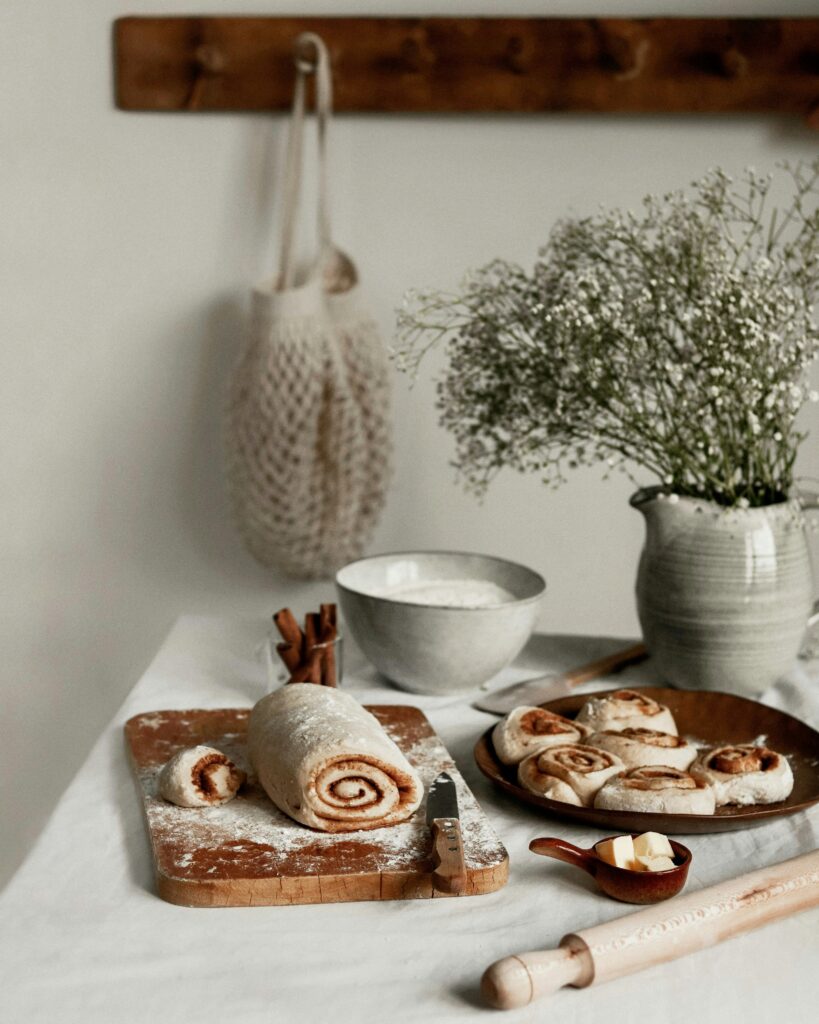
It’s late September, which means fall baking for a lot of people, and cinnamon comes out for pumpkin spice, apples, and pears while ovens are on more than they’re off. I use cinnamon daily in coffee or tea, so I thought I’d share what caught my attention and why I switched.
Most of what gets sold as cinnamon in American stores isn’t cinnamon, at least not the species the name originally referred to. There are four different trees involved, and only one of them is Cinnamomum verum, the one botanists call true cinnamon. I had no idea for years. I just bought whatever jar said “cinnamon” at the store and used it in coffee and baking without a second thought. Then I ran across something explaining how different the types are, in taste and in what’s in them, and I switched to Ceylon and never looked back.
Health Information
Cassia has a lot more coumarin than Ceylon does, and coumarin is a compound that’s been linked to liver strain when you’re getting a lot of it regularly. For someone who uses cinnamon occasionally in a recipe, that’s not really something to worry about. But I put cinnamon in my coffee or tea most days, and at that level of daily use, the difference between the two starts to matter. Ceylon has next to none of it. Cassia has meaningfully more, so it’s the one I’d rather not be having every single day.
There’s also a flavor and nutrition upside to Ceylon on top of that, it tends to have more of the good antioxidant compounds, while cassia’s flavor comes from cinnamaldehyde, which is also part of why it tastes hotter and bolder.
If I’m baking something and only have cassia in the pantry, I’ll still use it. It’s less expensive, and one batch of cookies or muffins isn’t the same as a teaspoon in my own mug every morning. But Ceylon is what I keep stocked and reach for most of the time.
How to Tell Them Apart
Ceylon sticks are thin and made of lots of fine layers rolled together, almost like a little cigar, and they snap easily. Cassia is one thick curl of bark, and it’s genuinely hard to break by hand. Color gives it away too: Ceylon is a lighter tan, cassia’s a darker reddish brown.
I buy mine ground, mostly because it’s more convenient, so I don’t get to eyeball the stick test myself. Ground, the two look almost identical, which is exactly the problem. If the label doesn’t say Ceylon or Cinnamomum verum, assume it’s cassia.
Where I Buy It
I get my Ceylon from Azure Standard, usually the best price I’ve found, especially if you buy in bulk. Currently $20.17for a pound.
Mountain Rose Herbs is another other go-to. They carry Ceylon in both stick and powder form.
For daily use, Ceylon is better for both health reasons and the flavor. If you’re only baking with cinnamon occasionally, cassia’s a perfectly fine, less expensive choice for that. What’s usually in the grocery store jar is cassia, almost always Korintje or Saigon, so if Ceylon isn’t on the label, assume that’s what you’re getting. I use both myself, mostly Ceylon, with cassia coming out when I’m baking and it’s what’s on hand. And if you’re wondering whether the extra cost is worth it, for daily use I think it is, and buying in bulk closes most of the gap anyway.
This is my own experience, not medical advice. Do your own research, especially if you’re on medication or managing a health condition.
Disclosure: Not a sponsored or affiliate post. No money from any link here.